LOTE
NOTES • FEBRUARY 2026
|
Lote
Notes
Fire
• Risk • Security • Cyber
Vol
007 • Issue 01
|
|
|
|
|
|
ANNOUNCEMENT
Follow
us on
Instagram
|
|
|
|

|
We’re
pleased to announce that
Lote has launched its
official Instagram page.
We’ll be sharing
updates, insights, and a
closer look at our work
and culture.
|
|
|
|
|
|
|
|
|
CEO'S
MESSAGE
Our
work as fire safety engineers, risk
managers and security consultants is a
toil of passion. In a simplified form,
we are imagining the worst possible
scenarios and then trying to prevent
them from happening or minimising the
consequential impacts if they do happen.
In more technical parlance, our role is
to identify all possible hazards or
risks and to eliminate these where
possible, or alternatively to engineer
controls to minimise the likelihood or
consequences of the risk, transfer the
risk or accept the risk level, with
operational provisions to deal with it
when it manifests.
Most
of the time, these worst-case scenarios
never become reality. Fortunately, the
efficacy of our risk management
strategies has never needed to be fully
tested in real-world conditions. But
recent tragedies like the Bondi
Terrorism attack, the Wang Fuk Court
Building Fire and the Crans-Montana ski
resort fire in the Swiss Alps sent
shockwaves through our teams here at
Lote Consulting.
Our
mission is to make the world safe and
secure. Disasters such as these remind
us why we must be diligent, exercise a
very high duty of care and always push
our disciplinary boundaries to achieve
more resilient safety and security
outcomes.
Our
hearts go out to the victims of these
tragedies and their families. In the
aftermath, while we unite with our
communities in expressing our
condolences, we must also comb through
the investigative, forensic and inquiry
details to work out where things went
wrong and how we can help our
communities and clients be better
prepared against future challenges that
may emerge.
We
dedicate this newsletter to the victims
of these tragedies and present our
initial thoughts, and the immediate
lessons we can draw. As always, we
invite your feedback on this edition of
Lote Notes and on our
services more broadly; any discussion or
dialogue that these articles inspire
will only help us improve.
Warm
regards,
Dr. Maher
Magrabi
Chief Executive
Officer
Lote
Consulting
|
READING
GUIDE
This
edition explores critical shifts in fire
engineering, security, and digital
resilience following landmark incidents
in 2025. Srinath Iyengar reviews the
tragic Wang
Fuk Court apartment
fires, highlighting how disabled alarms
and combustible scaffolding netting
necessitate stricter oversight in
Australian façade remediation. Ferguson
Smyth examines the high fuel loads and
lack of compartmentation in Class
7b warehouses,
advocating for detection systems that
exceed minimum code requirements. John
Khoury details how the "stack
effect" can
turn high-rise stairwells and tunnels
into dangerous chimneys during fire
events, emphasising the need for
advanced smoke control modelling.
Turning
to security, Maher Magrabi and Lana
Vidakovic introduce the "Bondi
Protocol" following
the 2025 beach attack, proposing a move
toward 3D overwatch and the ALICE
response framework to secure elevated
"Grey Spaces". Jed Hugill analyses the
shift toward
low-sophistication lone-actor
threats in crowded
places,
stressing the importance of design-led
protection and public vigilance.
Finally, Farjad Mahmud discusses
the UK’s
2026 Cyber Security and Resilience
Bill,
which mandates board-level
accountability and regulates digital
supply chains against AI-driven
threats.
|
|
|
LISTEN
The
Lote Notes Podcast
|
|
|
|
|
|
|
FEATURED
The
Bondi
Protocol
By
Maher Magrabi
and Lana
Vidakovic
|
|
|
|
|
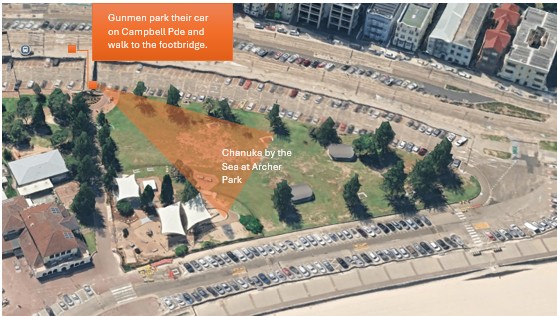
The
distressing
terrorist attack
that occurred on
December 14, 2025,
during the
“Chanukah by the
Sea” event at Archer
Park, Bondi,
represents a
profound shift in
the Australian
domestic threat
landscape. The
attack has shaken
our community,
perceptions of
safety and security,
and overall
understanding of how
to respond in
the event of such
tragedies. The
multi-modal attack
that was
characterised by the
tactical
exploitation of
elevated urban high
ground, consequently
resulted in 15
lives being lost and
over 40 injuries
(Doherty et al.,
2025).
|
|
|
|
|
|
|
|
|
|
|
FEATURED
The
Wang Fuk Court
Apartment Fires:
Lessons that can
be applied in
Australia
By
Srinath
Iyengar
|
|
|
|
|
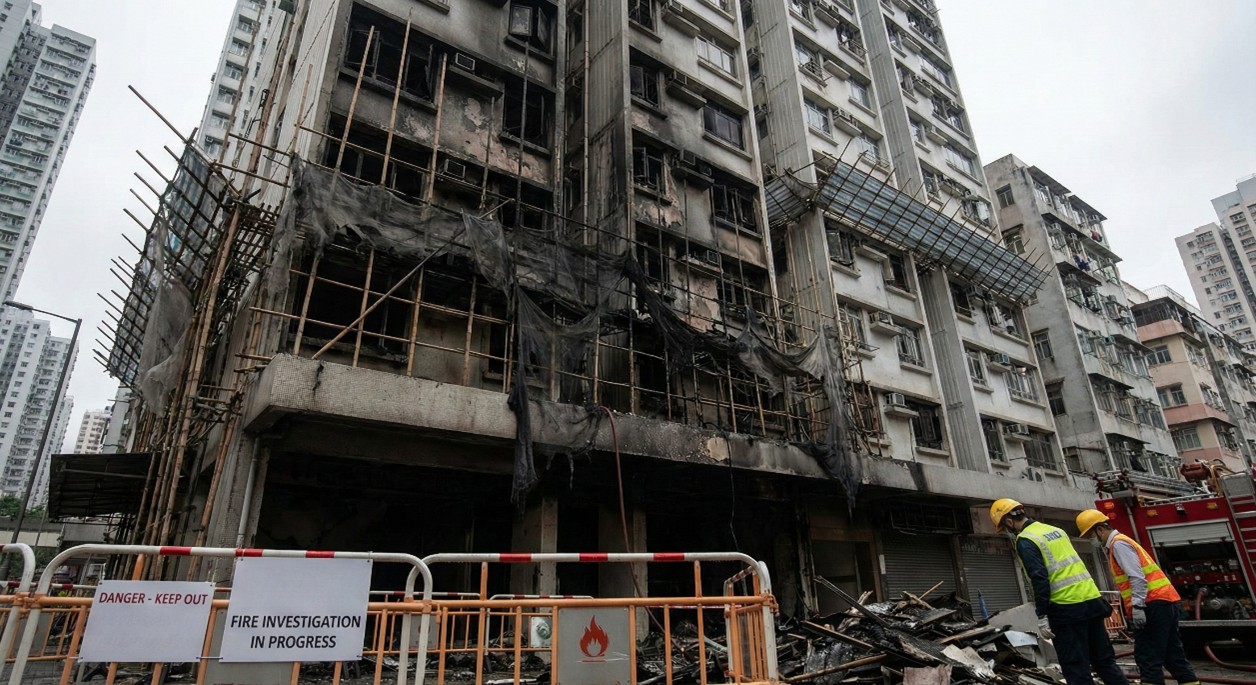
The
tragic loss of one
hundred and
sixty-eight (168)
lives during an
apartment fire in
Hong Kong has
brought to light
vulnerabilities in
building renovation,
fire safety systems,
regulatory oversight
and emergency
response protocols,
including a
comparison of the
Australian landscape
for high-rise
apartments.
|
|
|
|
|
|
|
|
|
FIRE / RISK
Fire
Safety in Class 7b
Buildings
By
Ferguson
Smyth
"A
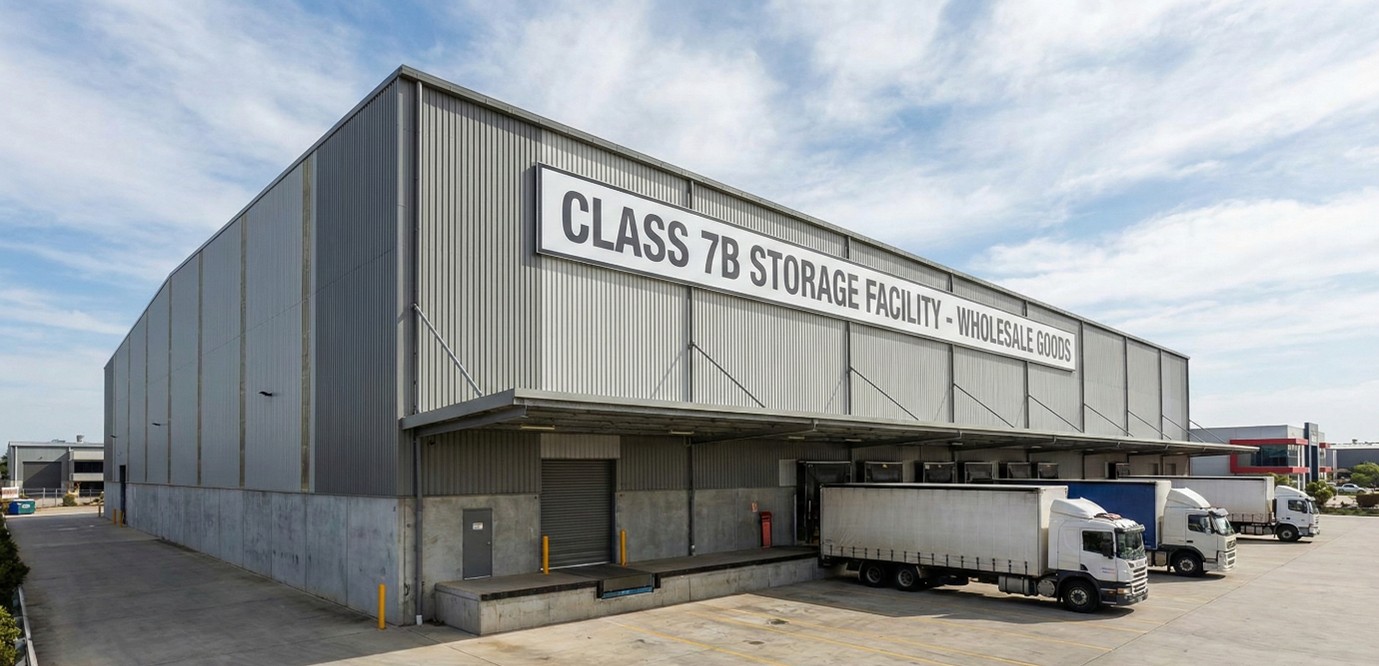
major distinction of Class
7b buildings compared to
other classifications are
the lack of fire
compartments present.
Typically, warehouses
comprise of one large open
space, only separated by
fire rated construction
between the inside and
outside. Since fire
compartmentation provides
protection to occupants in
rooms fire separated from
the fire, the lack of
compartmentation creates a
risk to all occupants inside
the building."
|
FIRE / RISK
Stack
Effect: How we
can use it to
our
advantage
By
John
Khoury
"Stack
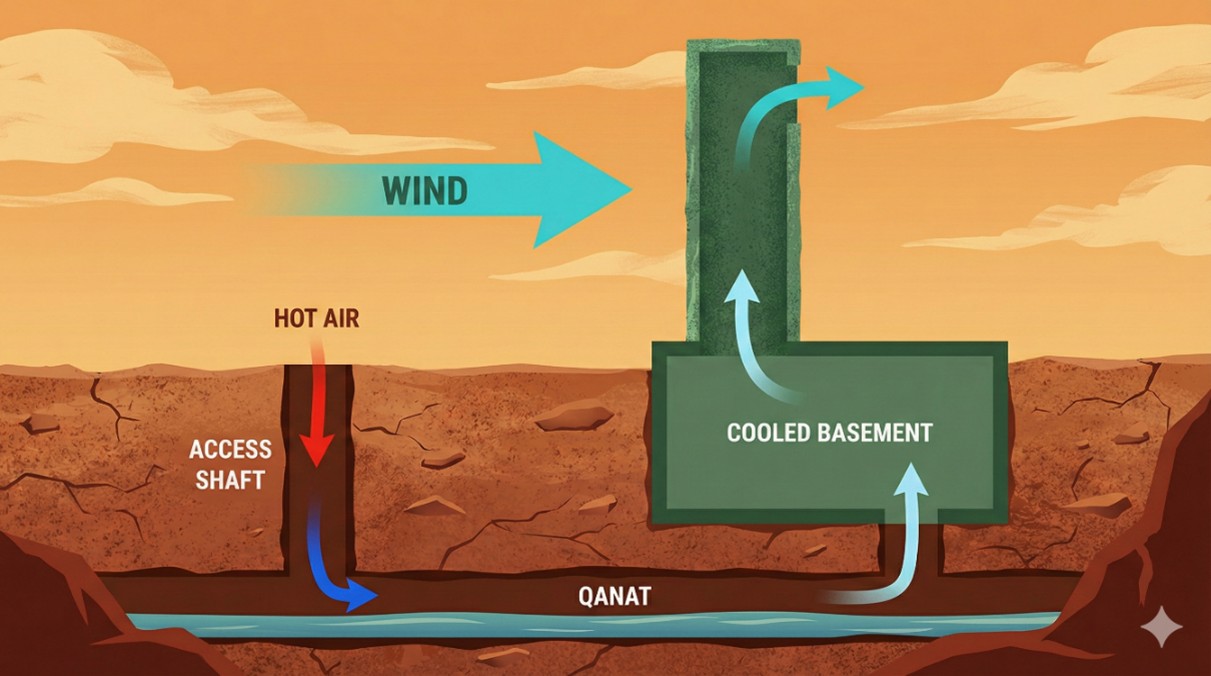
effect has been
used
intentionally
throughout human
history, often
in tandem with
other natural
phenomena. Some
very famous
examples are
found in modern
day Iran, where
the areas in the
centre of the
country are
primarily hot
desert
landscapes.
Specifically,
two systems will be
discussed here:
windcatchers
(Badgir) and ice
pits (Yakhchal).
Both windcatchers
and yakhchals rely
on the stack effect,
evaporative cooling
and thermal mass, to
function."
|
|
|
|
SECURITY / CYBER
Pre-Attack
Behaviour and Suspicious
Activity in Crowded
Places
By
Jed Hugill
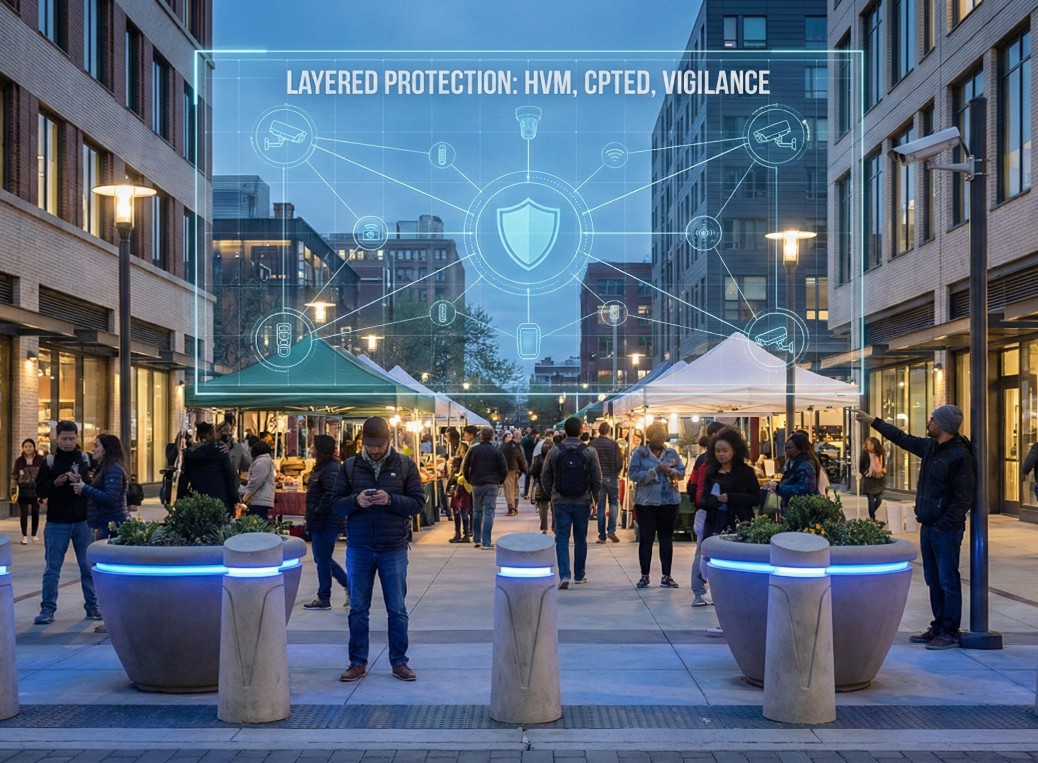
"The
attack planning cycle
generally progresses through
observable and
behaviour-based stages that
create important
opportunities for early
detection and intervention.
When these signals are
missed, an offender is more
likely to advance along the
mobilisation pathway without
scrutiny, increasing the
chance of an attack being
carried out with limited or
no warning."
|
SECURITY / CYBER
The
2026 Resilience Shift:
Navigating the UK''s New
Cyber Mandates
By
Farjad
Mahmud
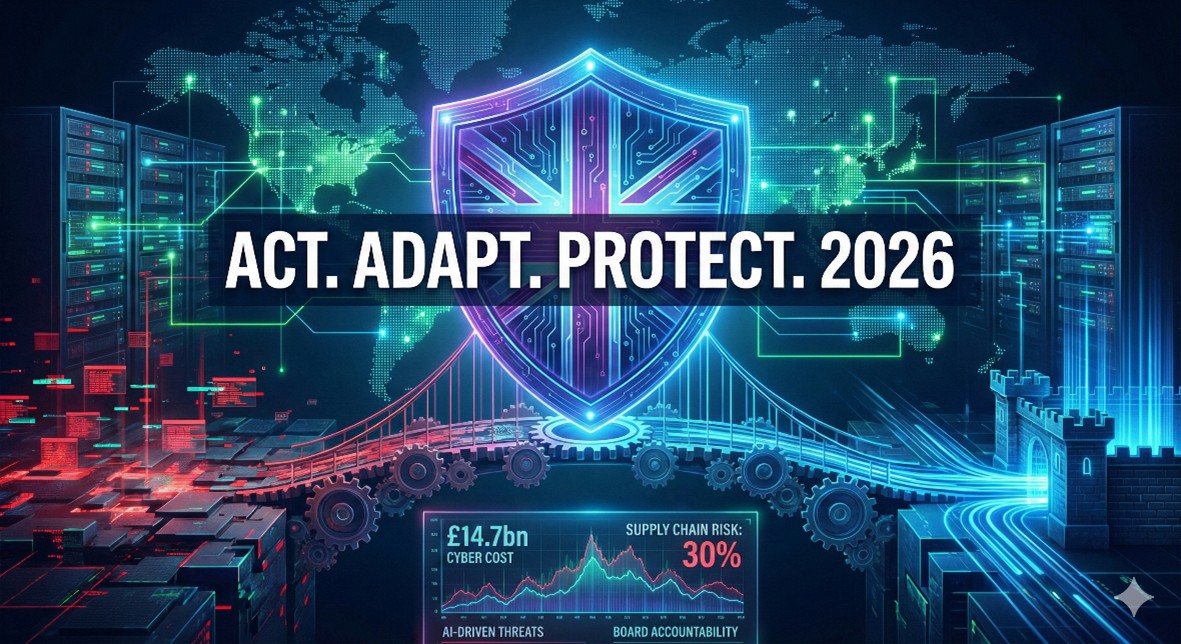
"By
shifting the national
strategy from passive
defence to active
resilience, the UK
government has fundamentally
redefined the legal
obligations of the private
and public sectors alike (UK
Parliament, 2025). This
transition is not merely a
bureaucratic update; it is a
direct response to a global
threat landscape that has
become increasingly hostile
and expensive."
|
|
|
|

|
|
|

|
|
|
|
|
|
|
|
Lote Consulting •
www.loteconsulting.com • +61 1300
761 744
Making the world safe and secure
Sydney | Canberra | Newcastle |
Kuala Lumpur | Dubai | Toronto
© 2026 Lote Consulting Pty Ltd •
|
|
|
|
|
|